
Hazel Muse shares practical, down-to-earth guidance on nature-inspired journaling and creative writing for readers across the UK.
- 0123456789
- Angle Bd Abdelmoumen & rue soumaya, Résidence
- [email protected]
Hazel Muse shares practical, down-to-earth guidance on nature-inspired journaling and creative writing for readers across the UK.
 By Eleanor Bramley
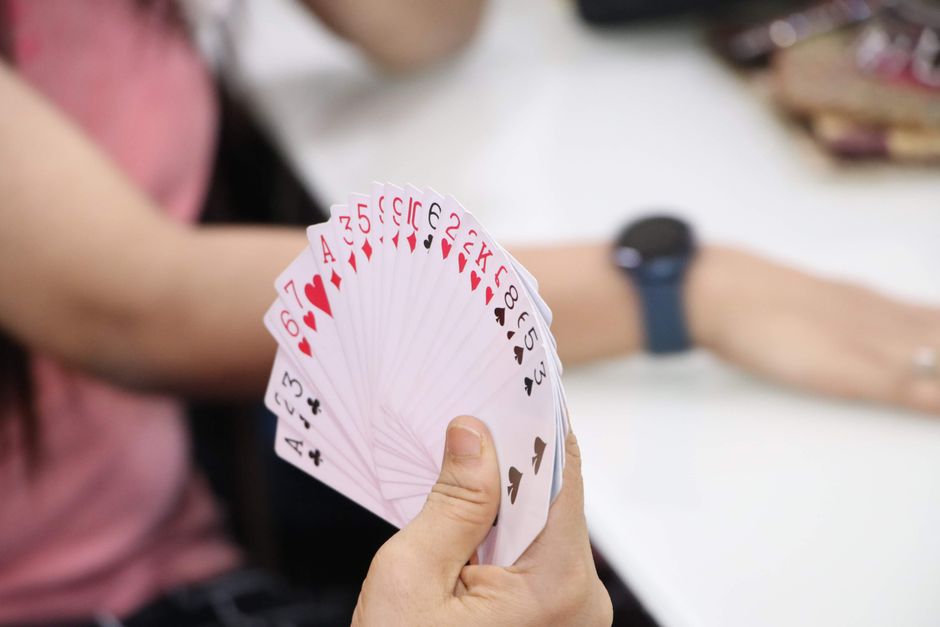
You’ve seen the flashy ads. A guy in a suit wins a million on a slot machine, a poker pro bluffs his way to a bracelet, and a bettor turns a $10 parlay into a new car. The iGaming world is thrilling, but it’s also a business. And like any business, the house doesn’t run on charity. If you want to survive and maybe even thrive, you need to understand the mechanics behind the curtain. This isn’t about killing the fun; it’s about playing smarter. Let’s dig into the realities of casino games, sports betting, slots, and poker—no fluff, just the stuff that actually matters.
Every casino game has a built-in advantage for the operator. It’s called the house edge, and it’s the percentage of each bet that the casino expects to keep over the long run. Ignore it, and you’re flying blind.
Take roulette. A European wheel has one zero, giving a house edge of 2.7%. The American wheel adds a double zero, pushing that edge to 5.26%. That difference might seem small, but over hundreds of spins, it’s the difference between a slow bleed and a hemorrhage. Blackjack, when played with basic strategy, can whittle the house edge down to 0.5% or even less. But play hunches, and you’re back to 2% or worse.
Slot machines are a different beast. Their house edge—often called the return to player (RTP)—can range from 85% to 98%. That means for every $100 wagered, you might get back $85 to $98, on average. But here’s the kicker: that average is calculated over millions of spins. In a single session, you could hit a jackpot or lose your shirt. The edge is invisible in the short term, but it’s always there, grinding away.
So why play? Because the entertainment value is real, and with skill (in games like blackjack and poker), you can shift the odds slightly in your favor. But never forget: the house always has an edge unless you’re the one providing the game. Before making a choice, it helps to review สล็อต.
Slots are the bread and butter of most online casinos. They’re easy, colorful, and require no skill. But that simplicity hides a complex math model. Modern slots use random number generators (RNGs) to determine every outcome. The reels you see are just a show—the result is decided the millisecond you hit spin.
Here’s what actually matters when choosing a slot:
A common myth is that a machine is “due” for a win. It’s not. Each spin is independent. The RNG doesn’t care about your last 100 spins. Understanding this won’t make you win, but it will stop you from chasing ghosts.
Sports betting feels more skillful than slots. You study form, injuries, weather, and line movement. But the bookmaker’s margin—the vig—ensures they profit regardless of the outcome. A standard point spread bet has a -110 line on both sides, meaning you risk $110 to win $100. That’s a 4.55% hold for the book. To be a long-term winner, you need to hit about 52.4% of your bets just to break even. That’s a tough bar.
Successful bettors find edges by exploiting soft lines, using advanced stats, or focusing on niche markets where bookmakers might be less sharp. But for the casual player, the best approach is to treat betting as entertainment, not investment. Set a budget, stick to it, and never chase losses. The thrill of a winning parlay is intoxicating, but the math is unforgiving.
One more thing: shop around for the best odds. A half-point difference in a spread can turn a loss into a push or a win. Over a season, that adds up.
Poker is unique in the iGaming world because you’re not playing against the house—you’re playing against other players. The casino takes a rake (a small percentage of each pot), but if you’re better than your opponents, you can profit.
But “better” doesn’t mean lucky. It means understanding position, pot odds, and player tendencies. It means folding weak hands and bluffing at the right frequency. In Texas Hold’em, the top 10 starting hands (like pocket aces, kings, and AK suited) win more often, but even they lose sometimes. The key is to make +EV (positive expected value) decisions consistently.
Online poker adds another layer: multi-tabling and tracking software. But it also brings tougher competition. If you’re new, start at micro-stakes and focus on learning. Watch videos, read strategy forums, and review your hand histories. The learning curve is steep, but the payoff is that you’re not fighting a mathematical edge—you’re fighting human psychology.
No matter how good you are, variance will punch you in the gut. A 10-game losing streak in sports betting or a 20 buy-in downswing in poker is normal. Without proper bankroll management, you’ll go broke before your skill can shine.
Here are some practical guidelines:
Also, separate your gambling bankroll from your life savings. Never gamble with rent money. The moment you do, you’re playing scared, and scared money never wins.
iGaming is a marathon, not a sprint. The players who last are the ones who respect the math, manage their money, and keep their emotions in check. You won’t win every session, and you’re not supposed to. The goal is to maximize fun while minimizing damage, and if you’re skilled, to grind out a profit over time.
So next time you log in, remember: the house edge is real, the variance is brutal, but the experience can be incredible. Play smart, stay disciplined, and never bet more than you can afford to lose. That’s the real secret to enjoying the game—and maybe, just maybe, beating it.


We are not gonna make spamming
