
Hazel Muse shares practical, down-to-earth guidance on nature-inspired journaling and creative writing for readers across the UK.
- 0123456789
- Angle Bd Abdelmoumen & rue soumaya, Résidence
- [email protected]
Hazel Muse shares practical, down-to-earth guidance on nature-inspired journaling and creative writing for readers across the UK.
 By Eleanor Bramley
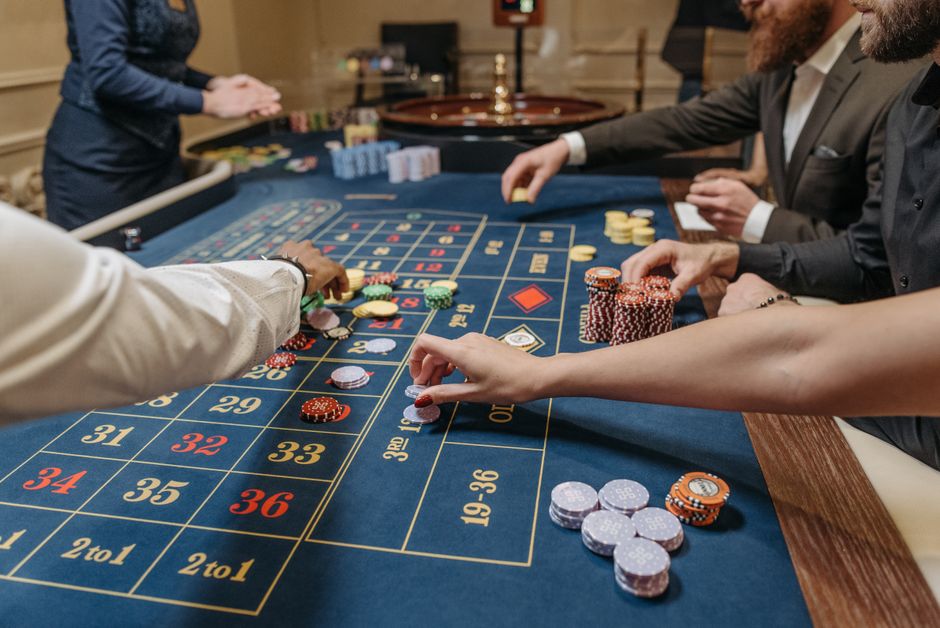
You’ve probably noticed it: the line between casual flutter and serious strategy is thinner than ever. iGaming has exploded from a niche hobby into a global entertainment force, and with that growth comes a flood of misinformation. Most players lose not because they’re unlucky, but because they treat every game the same. They don’t. A slot machine is a math problem, poker is a psychological duel, and sports betting is a war against the closing line. If you want to walk away with more than just a story, you need to respect those differences.
Here’s the uncomfortable truth: the house always has an edge, but that edge isn’t uniform. Your job isn’t to beat the casino at its own game every time. It’s to find the spots where the edge is smallest, the promotions add real value, and your decisions actually matter. That’s what separates a recreational player from someone who lasts.
Step into any online casino and you’ll see thousands of slots. Most are noise. A few are worth your time if you know what to look for. The first thing to ignore is the theme—Egyptian gods, fruit machines, leprechauns. The only numbers that matter are RTP (return to player) and volatility.
RTP is the theoretical payback over millions of spins. A 96% RTP slot returns €96 for every €100 wagered, on average. That sounds decent until you realize land-based slots often sit at 85-90%. Always filter by RTP. Anything below 95% online is usually a bad deal, unless the jackpot is life-changing and you’re chasing entertainment, not value.
Volatility is how the wins are distributed. Low volatility slots pay small amounts frequently. High volatility slots can go hundreds of spins without a win, then drop a 5,000x payout. Neither is 'better'—it depends on your bankroll and patience. If you have a €100 bankroll and want to play for an hour, a high-volatility slot will likely eat you alive. Low volatility keeps you in the game, but the ceiling is lower.
One more thing: autoplay is a trap. It numbs you to losses. If you must use it, set it to stop after 50 spins or a loss of 20% of your session bankroll.
Poker is not gambling in the same way slots are. Yes, variance exists, but over thousands of hands, skill wins. If you’re playing Texas Hold’em, stop memorizing hand rankings—you already know those. Start thinking about ranges, position, and bet sizing.
Position is the single biggest edge for a beginner. Acting last gives you information. On the button, you can play a wider range because you see what everyone does before you. Under the gun, you should fold almost everything except premium hands. Most new players lose because they play too many hands from early position.
Bet sizing tells a story. A minimum bet often means a weak draw or a blocking bet. An overbet usually means either a monster or a bluff—rarely a medium-strength hand. Pay attention to patterns, not just the cards. Online, use a HUD (heads-up display) if allowed. It tracks VPIP (voluntarily put money in pot) and PFR (pre-flop raise). A player with VPIP of 60% and PFR of 5% is a calling station—value bet them thin. A player with VPIP of 15% and PFR of 12% is a nit—steal their blinds. kingfun.gb.net covers this in more detail.
Bankroll management is non-negotiable. For cash games, you need at least 20 buy-ins for the stake you’re playing. For tournaments, 50-100 buy-ins. If you break that rule, one bad session wipes you out.
Sports betting is not about picking winners. It’s about finding value—when the odds offered are higher than the true probability. The best bettors hit 55% at most. The difference between winning and losing is often just a half-point or a few cents on the odds.
Line shopping is free money. If Book A offers 2.10 on a team and Book B offers 2.15, betting with Book B increases your expected return by 2.4% on that single bet. Over a season, that’s the difference between profit and loss. Use an odds comparison tool. Always have accounts at multiple books.
Closing line value (CLV) is the pro’s metric. If you bet a team at 2.20 and the line closes at 2.05, you got a good number. Consistently beating the closing line means you’re sharp, even if you lose that particular bet. Track your CLV, not just your win-loss record.
Also, understand the vig. A standard -110 line means you risk $110 to win $100. That’s a 4.76% hold for the sportsbook. You need to win 52.38% of bets just to break even. That’s why line shopping matters so much.
Casinos and sportsbooks love to dangle welcome bonuses. '100% up to €500!' sounds great until you read the terms. A 40x wagering requirement on a €500 bonus means you must bet €20,000 before withdrawing anything. And slots contribute 100% to wagering, but table games might contribute 10% or nothing at all.
Look for low wagering (under 30x), no max cashout caps, and reasonable time limits. Reload bonuses and free spins are often better than the headline welcome offer because the requirements are lower. And never chase a bonus you can’t clear—you’ll just lock up your own money.
iGaming is entertainment first. But if you’re going to spend real money, you might as well be smart about it. Slots are for fun—pick high RTP, manage your bankroll, and don’t expect to retire. Poker rewards study and discipline. Sports betting rewards information and line shopping. None of them reward gut feelings or desperation.
The players who last are the ones who accept variance, track results, and never bet more than they can afford to lose. They also know when to walk away. The house edge is real, but so is your ability to minimize it. That’s the edge you control.


We are not gonna make spamming
