
Hazel Muse shares practical, down-to-earth guidance on nature-inspired journaling and creative writing for readers across the UK.
- 0123456789
- Angle Bd Abdelmoumen & rue soumaya, Résidence
- [email protected]
Hazel Muse shares practical, down-to-earth guidance on nature-inspired journaling and creative writing for readers across the UK.
 By Eleanor Bramley
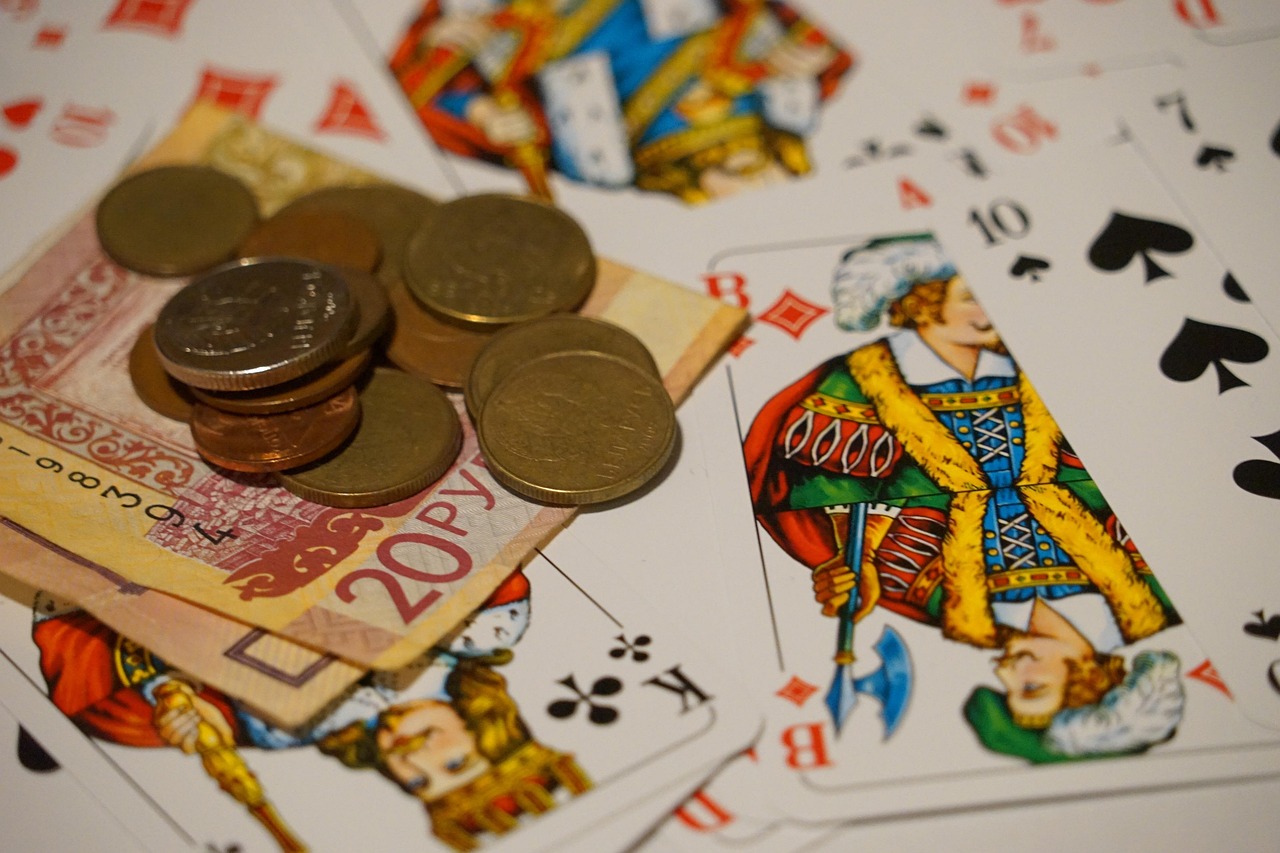
Two players sit side by side at the same casino, spinning the same slot, betting the same amount. After an hour, one is up three hundred euros and grinning, the other has burned through a full bankroll without a single feature. Same game. Same odds. Completely different experience. The difference isn't luck alone — it's volatility, and understanding it is probably the single most useful thing you can do before you click spin on anything.
Most players pick slots based on theme, graphics, or whatever a streamer happened to be playing last night. That's fine for entertainment, but if you actually want your session to last, volatility is the variable that matters most. It dictates how often you win, how big those wins tend to be, and whether your balance survives long enough to hit the bonus round you came for.
Volatility — sometimes called variance — describes how a slot distributes its payouts over time. Every slot has the same long-term return to player (RTP), but that's an average across millions of spins. Volatility is about the journey, not the destination.
A low-volatility slot pays small amounts frequently. Think NetEnt's classic Starburst, with an RTP around 96.1% and a max win that's modest by modern standards. You'll see your balance tick up and down in gentle waves. High-volatility slots do the opposite: long dry spells punctuated by rare, explosive hits. Dead or Alive 2, Money Train 3, and most Megaways titles fall into this camp, where a single bonus round can pay 5,000x or more — but you might lose fifty spins in a row getting there.
Neither style is objectively better. They're just different tools for different goals. You can read more about it on B52 CLUB.
Hit frequency is high, often 25–40% of spins return something. Wins are typically 0.5x to 5x your stake. Ideal if you want a long, relaxed session or you're grinding out bonus wagering requirements. Your bankroll stretches, but you'll rarely walk away with a life-changing score.
The middle ground. Hit frequencies around 20–25%, with occasional 50x–200x wins. Pragmatic Play's Sweet Bonanza and most of their catalog live here. It's the sweet spot for most players — enough action to stay interested, enough upside to dream a little.
Hit frequency can drop below 15%. Big wins are rare but can hit 10,000x, 20,000x, sometimes 50,000x. Games like San Quentin or The Dog House Megaways are designed to punish impatience. Play these only with a bankroll that can absorb 100+ dead spins without flinching.
Here's the rule I actually use, and it's saved me more sessions than any hot streak ever has: size your bankroll to the volatility, not just the stake.
Playing a 50,000x-max slot with 100 spins in your account isn't brave — it's just arithmetic working against you. You'll bust before the math has a chance to do anything interesting.
Another tip: check the RTP before anything else. Anything under 96% is a red flag in an online slot. Some providers ship multiple versions of the same game with different RTPs depending on the operator — 94% here, 96.5% there. Same graphics, same name, very different long-term value.
Volatility doesn't live only in slots. It's everywhere in iGaming, just wearing different labels.
In poker, cash games are the low-volatility grind: steady edges, small swings, skill shows up over thousands of hands. Tournaments are pure high volatility — you might go twenty MTTs without cashing, then bink a final table and be up for the month. Same game, completely different bankroll requirements. A cash grinder with 30 buy-ins might need 100+ for tournaments.
Sports betting works the same way. A steady diet of -110 spreads on favorites is low variance. Parlaying five legs for a 25-to-1 payout is high variance, even if your expected value is identical. If you bet parlays and singles with the same stake size, your bankroll will behave like it's playing two different games.
Ask yourself one question: what do I want from this session? If it's two hours of entertainment with a decent chance of finishing near where you started, low or medium volatility is your friend. If you're chasing a screenshot-worthy win and you've genuinely accepted that most sessions will end in a bust, high volatility is the honest choice.
The players who last in iGaming aren't the ones who pick the flashiest games. They're the ones who match the game's math to their own bankroll and temperament. Volatility is the dial. Learn where to set it, and you'll stop blaming bad luck for what was really just a mismatched expectation.


We are not gonna make spamming
